FrontStreet Coffee found the following content related to "tropical fruit" for you

If you want to drink coffee beans that are obviously sweet, you don’t have to just look at the word “sweet” to judge. The sweetness may come from fruit, nectar, caramel or chocolate, and may vary depending on water temperature, ice cubes and milk. First think about when you are going to drink this cup of coffee, whether to add ice and milk, and then choose from the aroma, acidity and taste thickness.
Read more →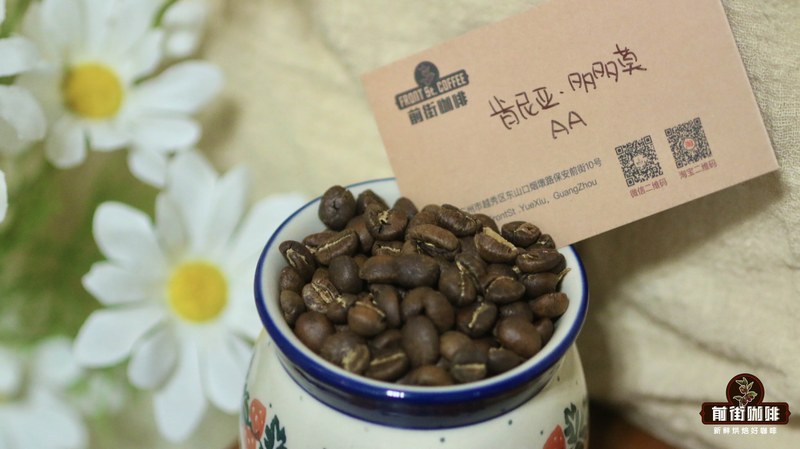
Yirgacheffe is made into SOE, which usually brings citrus, floral, berry and tea flavors into the concentrated cup, presenting a lighter temperament than traditional dark roasted Italian. The SOE here refers to single-origin concentration. The focus is not on pursuing a strong bitter taste, but on allowing the personality of the production area to leave a clear imprint in a short extraction. When choosing beans, think first
Read more →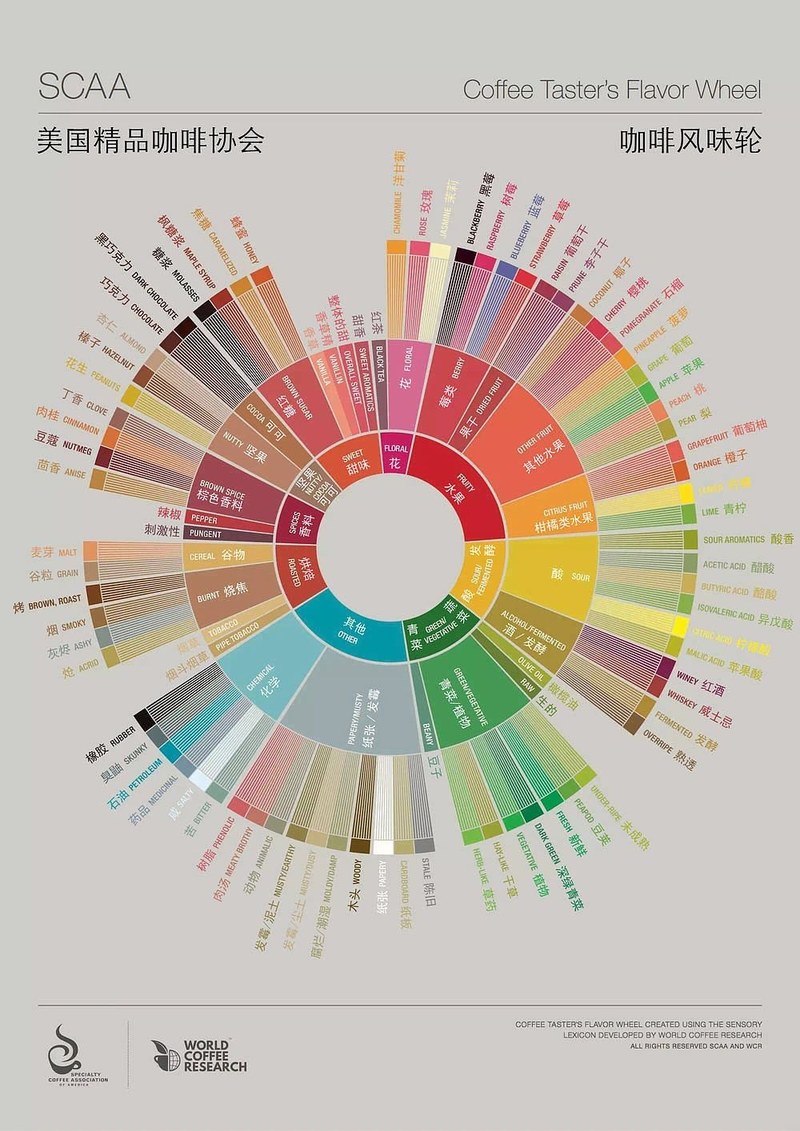
The balance of sourness and sweetness is not just a simple addition of sourness and sweetness, but a vitality in the mouth, followed by a soft sweetness, so that you will not be left with only irritation or bitterness after drinking. When choosing beans, you can first imagine when they will appear: in the morning when you need to refresh yourself, during work breaks you need to be neat and tidy, on weekends it is suitable to slowly feel the aroma, and corresponding to different scenes.
Read more →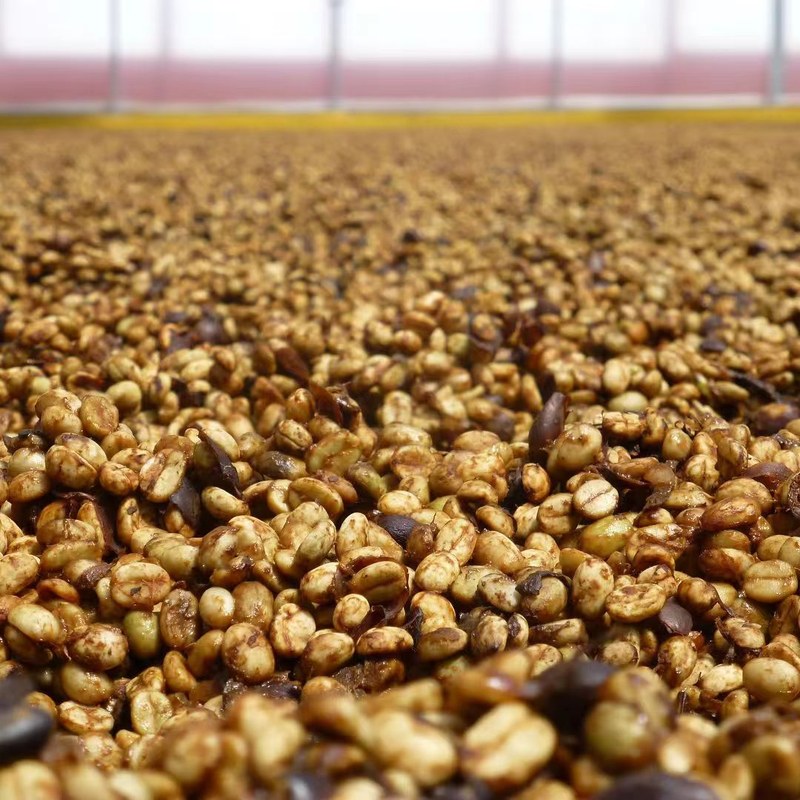
In the morning, a cup of hand brew with bright aroma and not heavy taste is suitable. When you first wake up, your palate has not yet fully opened up. Beans with floral, citrus or tea flavors taste lighter and will not leave an overly bitter taste in your mouth. When brewing, you can use a higher water temperature to allow the aroma to develop faster; if you want a softer taste,
Read more →
The sun-drying method, as the name suggests, is to lay the harvested coffee berries flat on the ground (a special drying net or terrace), use sunlight exposure (about 2-3 weeks) to remove moisture from the coffee berries until the moisture content reaches the target value, and then use a machine to remove the dried husks to get the green coffee beans we want. Sun exposure
Read more →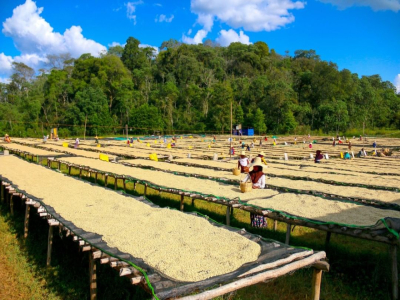
Speaking of African coffee, many people immediately think of Ethiopia, the birthplace of coffee. Citrus, citric acid, jasmine, ripe strawberry, tropical fruits, berries, and honey are all flavor terms often used to describe Ethiopian coffee beans. Among them, Yirgacheffe is the most famous, and the flavor of Yirgacheffe is exquisite.
Read more →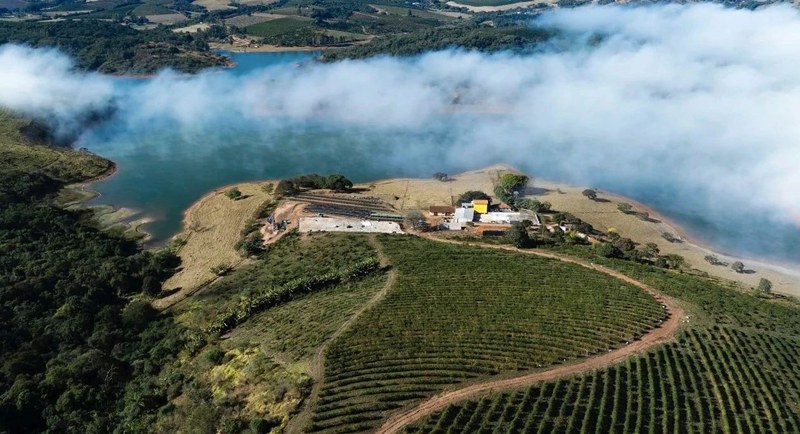
The washing process makes the coffee's flavor profile sharper. Floral, citrus and tea notes are often easily identifiable, and the taste is lighter. It is not just suitable for a certain way of drinking. The key is to consider the aroma intensity, sweetness performance and drinking time of the beans together, so that a cup of coffee can match the current rhythm.
Read more →
The joy of hand-grinding coffee lies not only in turning the grinder yourself, but also in the fact that the same set of equipment can accompany you for different periods of time. In the morning, you need a bright aroma to open up your palate, and during work breaks, you need a clean taste. In the afternoon, you can choose beans with rich layers that are worth cooling slowly. First imagine when you will drink it,
Read more →
In the morning, you need a cup of cold coffee that has a clear taste and is not overly irritating. The aroma and sweetness of the beans must remain recognizable at low temperatures. Cold brew is suitable for preparing the night before, while ice brew is better for weekend mornings when you have time to wait. Both methods can reduce the sharpness brought by hot water, but will enhance the flavor orientation of the soybeans themselves.
Read more →
The choice of hand-brewed coffee beans can be imagined from the moment the cup is about to appear. When rushing to work, the type with clear aroma and light taste is suitable; if you have time to drink slowly in the afternoon, you can look for beans with rich layers and obvious temperature changes; when the weather is hot, pay attention to whether the sweetness and vitality are still there after cooling. scene
Read more →
The choice of hand-brewed coffee beans can be imagined from the moment the cup is about to appear. When rushing to work, the type with clear aroma and light taste is suitable; if you have time to drink slowly in the afternoon, you can look for beans with rich layers and obvious temperature changes; when the weather is hot, pay attention to whether the sweetness and vitality are still there after cooling. scene
Read more →
Washed coffee beans often give people a clear and neat impression. Floral, citrus, berry and other flavors are easy to identify, and there is less heavy flavor when drinking. It is very suitable to choose according to different times and drinking methods: use hot hand brewing in the morning to open up the aroma, make a cold brew during work breaks, and use cold hand brewing on weekends to enlarge the juice taste, so that you can enjoy it at the same time.
Read more →
Sun-drying treatment will allow the coffee beans to retain a more distinct fruity aroma and sweetness, often with a juice-like liveliness in the mouth, and may also bring out the aroma of fermented fruits, nectar or wine. It doesn’t have to be brewed in only one way. You need to wake up clearly for breakfast. It’s suitable for iced drinks in the afternoon. In the evening, you can choose a soft and delicate taste. Beans and drinks
Read more →
Floral and fruity coffee beans are not just suitable for quiet hand brewing. In the morning, you need a cup of refreshing but not heavy black coffee. The office is suitable for a clear aroma and sharp flavor. In the afternoon, you can choose beans with a sweeter and more lively taste to make an iced hand brew or cold brew. First imagine at what moment this cup of coffee will appear, and then consider the richness, sweetness and sourness of the coffee.
Read more →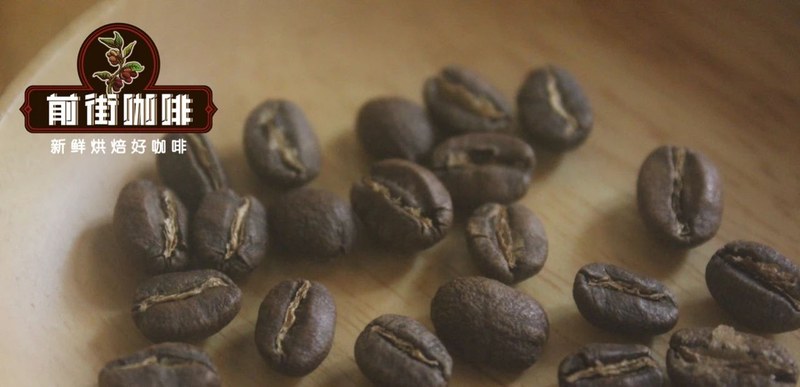
The charm of light roasted beans is often hidden in the floral aroma, fruity acidity and sweetness, but the same bean will have different feelings when placed in different times, utensils and drinks. If you want to wake up and feel refreshed in the morning, want to take your time on the weekends, or need a cup of iced coffee when the weather is hot, you can find corresponding options. Let’s start with the most common coffee drink every day.
Read more →
Oiran, a single-origin coffee that reflects its fragrant aroma right from its name. Like other Ethiopian coffees, it is produced in the southwest highlands. It is a high-quality sun-dried coffee in the Hambera production area. It has obvious floral aroma and tropical fruit flavor. After drinking it, people are still immersed in the wonderful charm. The Oiran also
Read more →
The characteristics of coffee beans can only be felt easily when put into a specific cup. In the morning, you need a light and refreshing aroma. In the afternoon, you can choose an ice drink with a juice-like feel. When you are reading quietly, you can choose a flavor with extended layers and obvious temperature changes. First think about when you will drink this cup of coffee, whether it will be a hot drink or a cold drink, and then
Read more →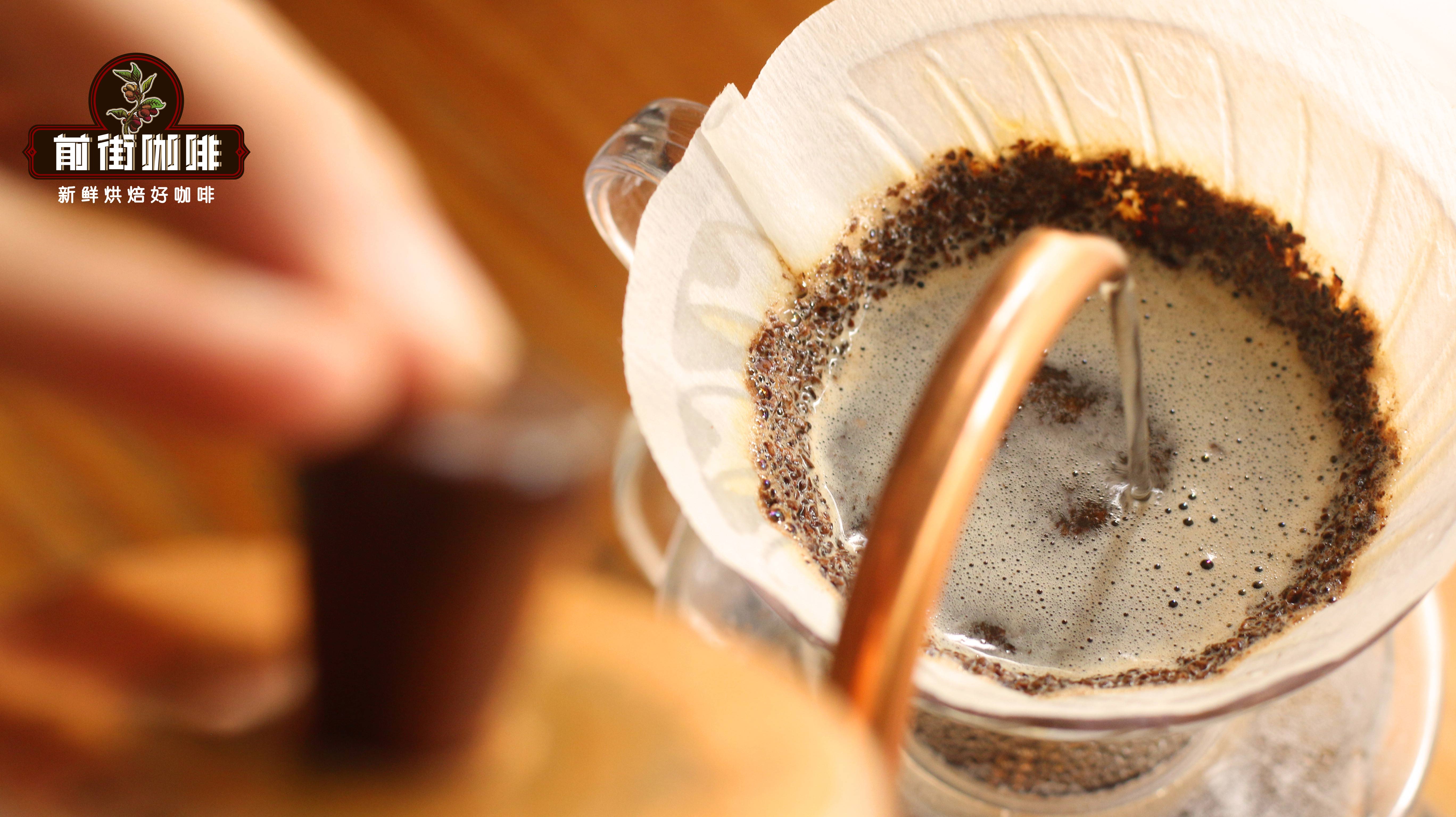
G1 is the highest grade of Ethiopian coffee beans. Front Street washed fruit dices, Front Street sun-dried red cherries, Front Street Kaffa Forest, and the most popular Front Street Oiran all belong to G1. However, due to different production areas and different processing methods, each coffee bean also shows different flavor characteristics. For example, new products this year
Read more →
Medium-light roasted Yirgacheffe usually retains a more distinctive floral aroma, fruity acidity and sweetness, and is not as heavy in the mouth as dark roasted coffee. It is suitable to be arranged according to the drinking scene of the day: use hot hand brewing in the morning to open up the taste, make ice coffee in the afternoon, and choose a style with soft aroma and clear aftertaste in the evening. Picking beans like this,
Read more →
Coffee beans are mainly divided into three major varieties: small-grain Arabica coffee, medium-grain Robusta coffee, and large-grain Liberica coffee. However, the most common types of coffee are Arabica and Robusta. The Arabica variety of coffee is mostly specialty coffee, and the environment in which it is grown is
Read more →Be the first to know about new bean releases, brewing tips, promotions and cupping notes

Scan to Follow Front Street Coffee on WeChat
